
In the evolving digital landscape, visibility isn’t enough—your website must be usable by everyone, including people with disabilities. This is where Website Accessibility SEO becomes more than just a compliance checklist—it’s a growth opportunity. At Digi Swarm, the best digital marketing agency for inclusive design and optimization, we help businesses implement Website Accessibility SEO strategies that improve rankings, enhance user experience, and meet legal standards.
What Is Website Accessibility?
Website accessibility refers to the design and development of digital content that ensures all users—including those with visual, auditory, motor, or cognitive impairments—can navigate and interact with your website effectively.
When accessibility and SEO intersect, we refer to this as Website Accessibility SEO. It means optimizing your website in a way that makes it both search engine-friendly and user-friendly for all visitors.
Why Website Accessibility SEO Is Crucial in 2025
The internet is a primary gateway to information, commerce, and connection. Yet millions of users still face digital barriers. In 2025, prioritizing Website Accessibility SEO is essential for five key reasons:
-
Improves Search Rankings: Search engines prioritize user experience, which includes accessibility.
-
Expands Audience Reach: Accessible websites serve a broader population.
-
Reduces Bounce Rates: Clear navigation and readable content increase engagement.
-
Compliance with Laws: Legal frameworks like the ADA (U.S.) or RPwD Act (India) are cracking down on non-accessible sites.
-
Boosts Brand Reputation: Inclusive brands are trusted more by customers.
Digi Swarm has helped hundreds of businesses enhance their Website Accessibility SEO to comply with regulations and perform better in search engines.
Key Elements of Website Accessibility SEO
To make your website both accessible and SEO-friendly, focus on the following elements:
1. Semantic HTML Structure: Proper use of <header>, <nav>, <main>, <footer>, and <article> tags helps screen readers and crawlers understand content hierarchy.
2. Alt Text for Images: Providing descriptive alt attributes improves accessibility for visually impaired users and boosts image SEO.
Example:
Instead of: alt="team"
Use: alt="Digi Swarm digital marketing team working on SEO strategies"
3. Keyboard Navigation: Your site should be fully navigable using only a keyboard. This helps users who rely on assistive tech and enhances crawlability.
4. Readable Fonts and Contrast Ratios: Use accessible fonts and sufficient colour contrast between text and background. This improves readability for both users and Google bots.
5. Video Transcripts and Captions: Search engines can’t watch videos, and many users can’t hear them. Transcripts and captions improve SEO and accessibility simultaneously.
6. ARIA Landmarks and Labels: Accessible Rich Internet Applications (ARIA) labels help users with screen readers understand complex components like sliders, tabs, or accordions.
7. Mobile Responsiveness: A mobile-friendly design is a requirement for both accessibility and SEO. Google’s mobile-first indexing makes Website Accessibility SEO even more vital.
How Accessibility Boosts SEO Performance
Let’s connect the dots between Website Accessibility SEO and ranking factors:
-
Faster Load Times (through clean code): Reduces bounce rates.
-
Improved UX: Google’s Core Web Vitals reward positive experiences.
-
Structured Content: Headings, lists, and tables improve crawlability.
-
Descriptive Links: Helps both users and bots understand navigation context.
-
Reduced Errors: Fewer 404s and JavaScript failures improve site quality scores.
When Digi Swarm performs a full Website Accessibility SEO audit, we uncover opportunities that improve both usability and visibility.
Tools for Website Accessibility SEO Audits
-
Google Lighthouse
-
WAVE by Web AIM
-
axe Accessibility Tool
-
Site improve
-
Screaming Frog SEO Spider (with Accessibility Mode)
These tools can help diagnose accessibility gaps and provide recommendations that align with SEO best practices.
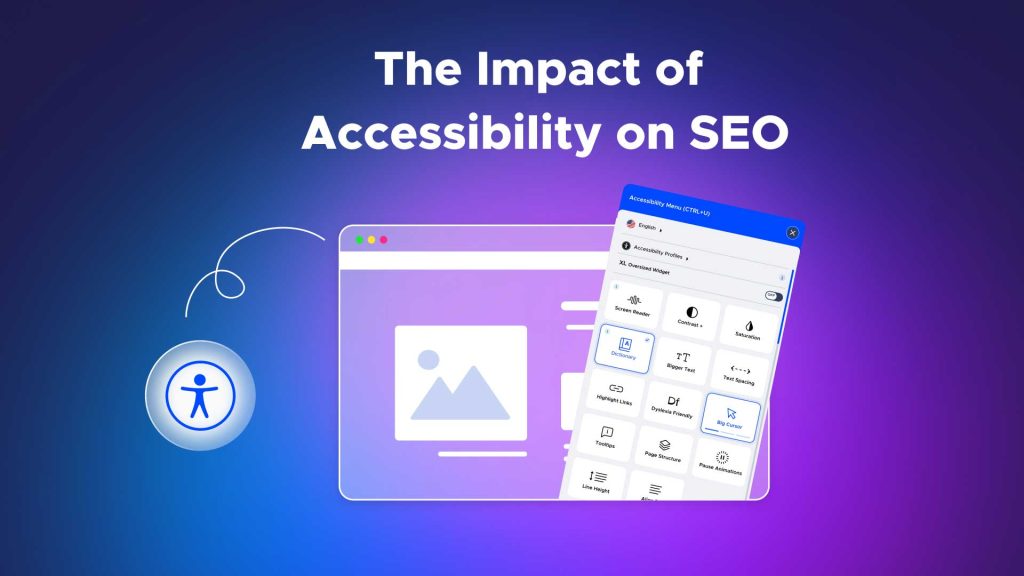
Real-World Examples of Website Accessibility SEO
Example 1: E-Commerce Brand
After implementing accessible design and ARIA markup, the brand saw:
-
18% increase in organic traffic
-
25% drop in bounce rate
-
Full compliance with WCAG 2.1 Level AA
Example 2: SaaS Platform
With proper alt text, keyboard navigation, and page structuring, the platform:
-
Captured multiple featured snippets
-
Improved Core Web Vitals score
-
Increased average time on page by 30%
These results show how Website Accessibility SEO benefits both humans and algorithms.
While some are dated, they still inform modern Website Accessibility SEO strategies.
Future Trends in Website Accessibility SEO
Looking ahead to 2026, expect:
-
AI-driven accessibility audits
-
Voice-controlled website interfaces
-
Context-aware accessibility improvements
-
Increased legal enforcement and fines
-
Enhanced schema for accessibility
Digi Swarm is already preparing clients for these next-gen shifts in Website Accessibility SEO.
Conclusion
Website Accessibility SEO isn’t just an ethical responsibility—it’s a strategic advantage. Making your website inclusive improves user experience, enhances search visibility, reduces legal risk, and builds a brand that’s truly user-focused. At Digi Swarm, the best digital marketing agency, we specialize in building accessible, SEO-friendly websites that perform—across devices, demographics, and disabilities. Want your site to rank and reach everyone? Let’s start with accessibility.