
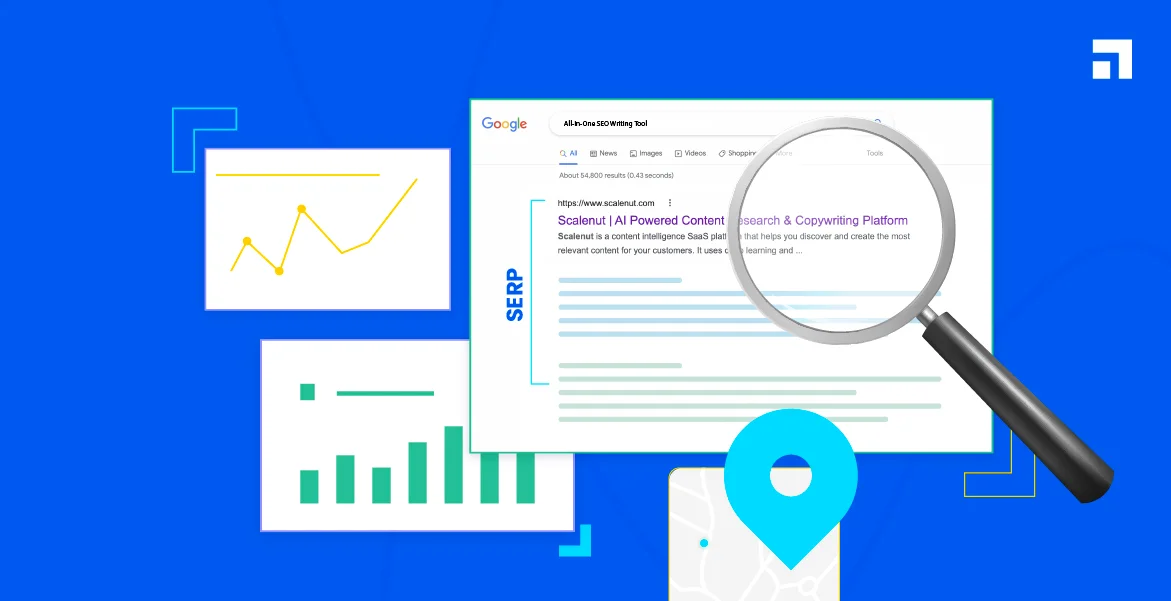
In today’s SEO landscape, ranking on page one isn’t enough—you need to claim the most valuable real estate on that page. That’s where SERP Feature Analysis comes in. Featured snippets, “People Also Ask” boxes, video carousels, local packs, and more have changed the dynamics of visibility. At Digi Swarm, the best digital marketing agency for advanced SEO, we help businesses conduct precise SERP Feature Analysis to unlock higher click-through rates and dominate competitive niches.
What Are SERP Features?
SERP (Search Engine Results Page) features are enhanced elements on Google’s results page that go beyond the traditional 10 blue links. These include:
-
Featured Snippets
-
Knowledge Panels
-
Local Packs
-
Reviews/Ratings Stars
-
Site Links
-
Top Stories
-
“People Also Ask” boxes
-
Image/Video Carousels
-
Shopping Ads
Performing a thorough SERP Feature Analysis helps identify what types of content Google prefers for your keywords and how you can optimize to capture those spots.
Why SERP Feature Analysis Matters in 2025
Google’s algorithm now rewards intent more than keywords. Understanding the SERP Feature Analysis of your niche lets you tailor content not just for rankings, but for visibility where it matters most.
Key benefits of SERP Feature Analysis include:
-
Higher CTRs: Featured results get more clicks than standard links
-
Better UX insights: Learn how users engage with search features
-
Content strategy refinement: Optimize for the right content format
-
Competitive advantage: Outrank even high-authority domains in feature spots
At Digi Swarm, we integrate SERP Feature Analysis into every SEO audit to ensure clients are not just ranking, but owning the SERP.
Step-by-Step Guide to Conduct SERP Feature Analysis
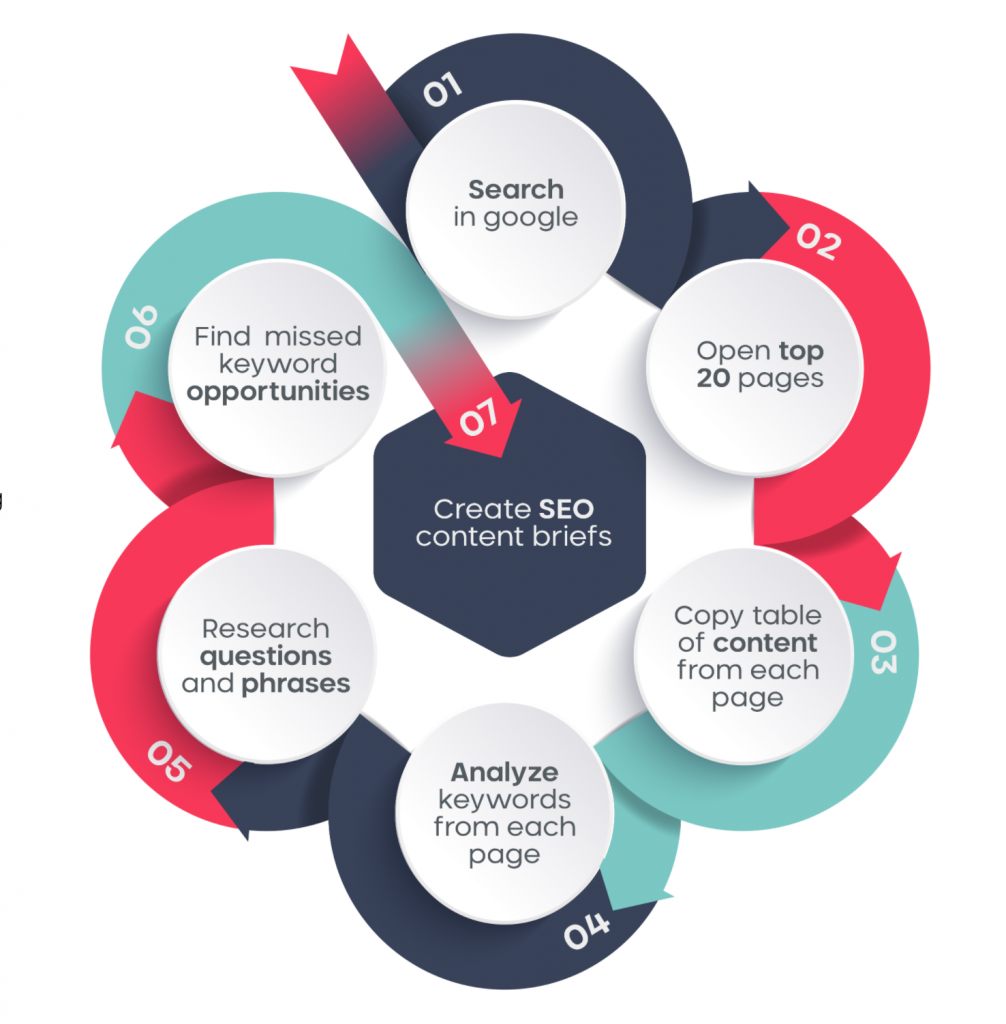
1. List Your Target Keywords
Begin with a well-researched list of your priority keywords across informational, navigational, and transactional intent.
2. Use SERP Tracking Tools
Use platforms like:
-
SEMrush
-
Ahrefs
-
Moz
-
Serpstat
-
SEO Power Suite
These tools show which SERP features appear for your keywords and whether your site currently ranks in any of them.
3. Categorize the SERP Features
Create a spreadsheet that notes which features show up for each keyword, such as:
-
Featured Snippet
-
People Also Ask
-
Local Pack
-
Video Carousel
This helps in visualizing patterns across your niche.
4. Analyze Your Position
Determine:
-
Are you currently occupying any SERP feature spots?
-
Which competitors are dominating those positions?
-
What type of content is ranking (e.g., blogs, videos, product pages)?
Use this data to refine your own approach.
5. Understand Search Intent
Not every SERP feature is valuable to your goal. Focus on features that match your intent—like featured snippets for blogs or local packs for service-based businesses.
SERP Feature Analysis reveals what format of content to create based on the user’s likely goal.
6. Reverse-Engineer Winning Content
Look at what’s ranking in each SERP feature:
-
How is it structured?
-
What questions does it answer?
-
Is it optimized for mobile?
-
What schema markup is applied?
Mimic and improve upon the top-performing content.
7. Update Your Content Strategy
Now that your SERP Feature Analysis is complete, update your content calendar to target features like:
-
FAQ pages for “People Also Ask”
-
Short, direct answers for featured snippets
-
Localized pages for map packs
-
Product videos for carousels
Digi Swarm’s SEO team uses these insights to produce multi-format content designed for SERP Feature Analysis success.
Tools to Use for SERP Feature Analysis
-
SEMrush’s Position Tracking Tool
-
Ahrefs’ SERP Overview
-
Surfer SEO for content matching
-
Google Search Console for click-through data
-
Screaming Frog to audit schema usage
Each of these helps refine your SERP Feature Analysis from multiple angles—technical, strategic, and user behavior-based.
Common Mistakes in SERP Feature Analysis
-
Ignoring intent and targeting the wrong feature type
-
Not analyzing mobile vs desktop SERPs
-
Over-optimizing for features not relevant to conversions
-
Forgetting structured data implementation
-
Failing to monitor changes in SERP layout over time
Remember, SERP Feature Analysis isn’t a one-time task—it’s ongoing.
Real Example: A Digi Swarm Client Case
A fintech client targeted 50 keywords with high “People Also Ask” and featured snippet presence. After re-optimizing their content with structured FAQs and answer-first paragraphs, they saw:
-
A 40% boost in organic CTR
-
7 featured snippets captured in 3 months
-
28 PAA appearances across high-intent queries
This is the impact that a solid SERP Feature Analysis can have when paired with smart execution.
The Future of SERP Feature Analysis
In 2025 and beyond, expect new developments:
-
AI-generated SERP answers
-
Voice search snippets as primary positions
-
Multimodal SERPs (text, image, audio together)
-
Increased zero-click search behaviour
At Digi Swarm, we’re preparing clients for the next wave of search visibility by continuously evolving our SERP Feature Analysis frameworks.
Conclusion
SERP Feature Analysis is no longer a bonus—it’s essential for anyone serious about SEO in 2025. It goes beyond rankings to unlock premium visibility that drives clicks and builds authority. By understanding and targeting the right SERP features, your content can outperform even top competitors. At Digi Swarm, the best digital marketing agency, we specialize in advanced SERP Feature Analysis that fuels measurable growth. Ready to move beyond page one rankings? Let’s get your content into the features that matter most.